Where Coffee Grows: The Global Coffee Belt Explained
Where Does Coffee Grow?
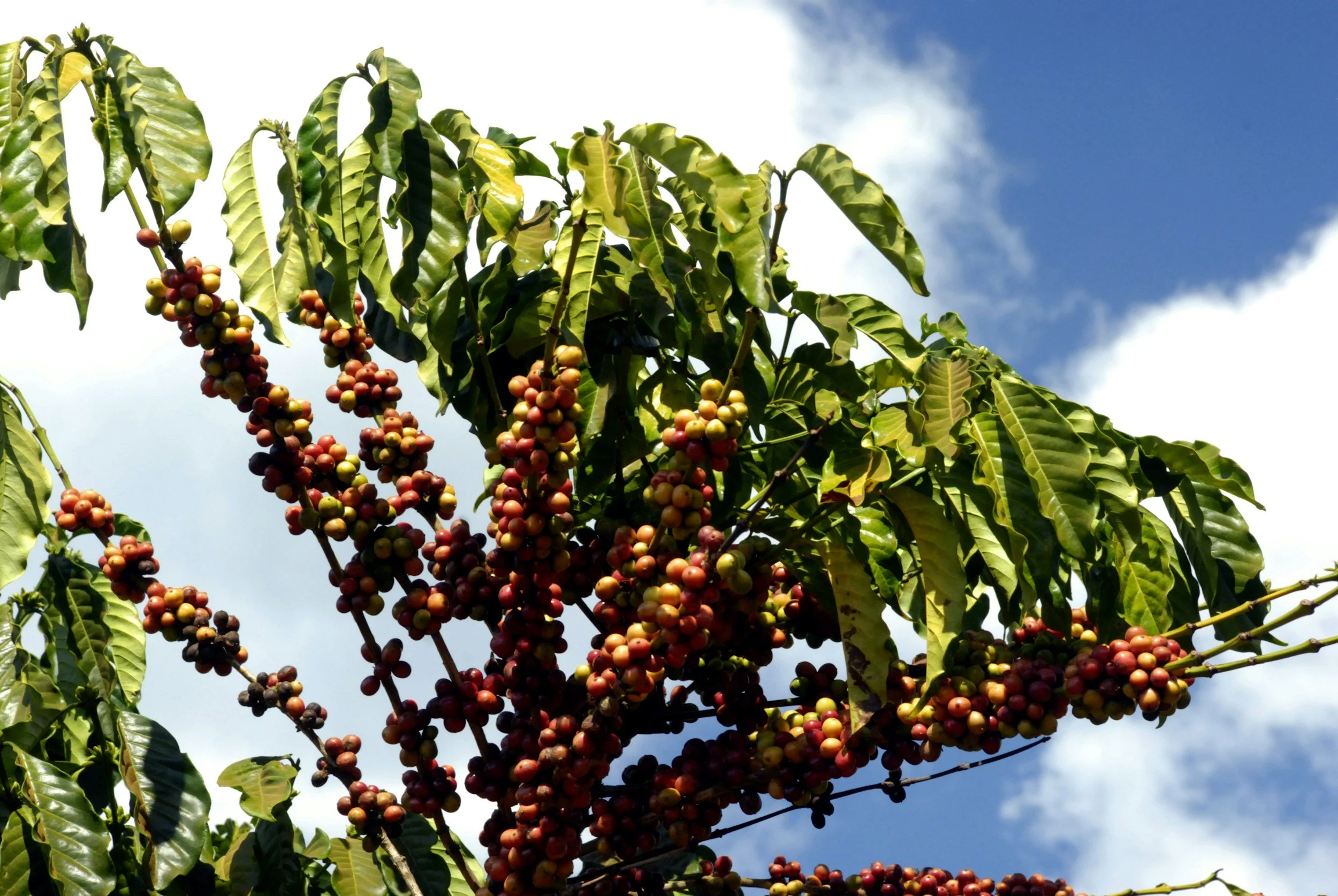
Coffee Plant full of Ripe Coffee Cherries growing somewhere in the Coffee Belt.
Coffee doesn’t grow everywhere.
In fact, almost all of the world’s coffee comes from small family-owned farms a narrow band around the Earth called the Coffee Belt.
This region sits near the equator and creates the exact conditions coffee plants need to survive and produce high-quality beans.
If you’ve ever wondered why your coffee tastes different depending on where it’s from, this is where it starts.
The Quick Answer:
Coffee grows best between the Tropic of Cancer and the Tropic of Capricorn, a region known as the Coffee Belt.
This zone provides:
stable temperatures year-round
consistent seasonal rainfall
These conditions allow coffee plants to develop the sugars and acids that shape flavor.
Why Coffee Only Grows in Certain Climates
Coffee can be very temperamental and sensitive, which is why it requires a very specific balance of environmental factors.
Temperature
The ideal range is 60-70 degrees fahrenheit (or 15-24 degrees celsius). Outdoor temperatures that are too hot can damage plant development and reduce flavor complexity. Too cold can simply kill plants. Arabica coffee, the one most commonly used for specialty coffee, is especially sensitive to temperature changes.
Rainfall
To thrive, coffee needs consistent rainfall and defined wet or dry seasons, no wishy-washy weather here. Wet seasons support flowering and cherry development. Dry seasons are also important for the development of coffee as it helps harvesting and processing.
Elevation
Most high-quality coffee grows between 1,000 to 2,000 meters above sea level. Higher elevation leads to slower cherry development, increased sugar concentration, and more complex flavors.
The Three Major Coffee Growing Regions
The notorious Coffee Belt is usually divided into three major regions. Each produces distinct flavor profiles.
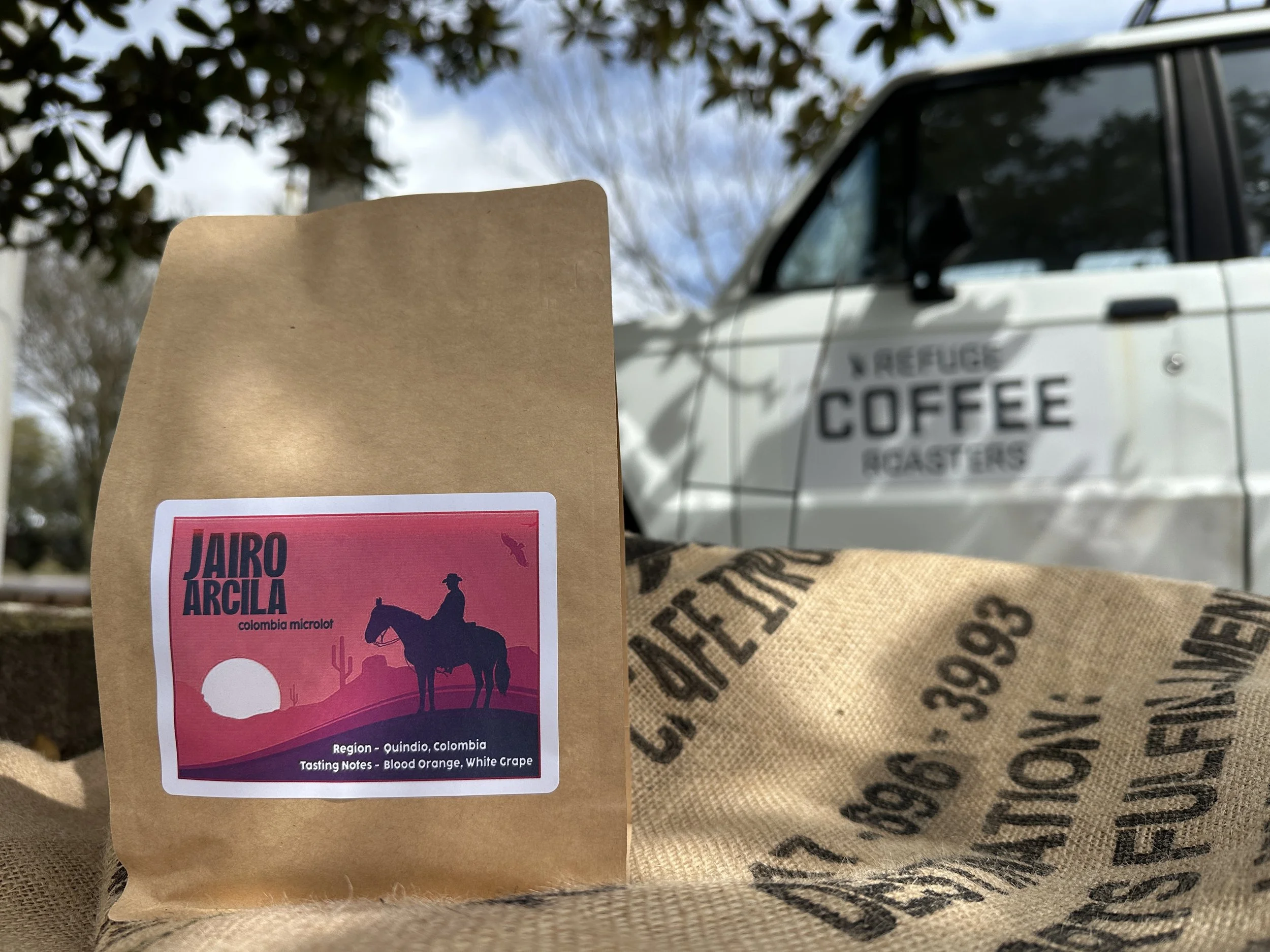
Starting at 28.00 / Learn More
Latin America
Main Countries:
Typical Flavor Profile:
chocolate
nuts
caramel
balanced acidity
Fun Fact:
Brazil alone produces roughly one-third of the world’s coffee, making it the largest producer globally.
Africa
Main Countries:
Ethiopia
Kenya
Rwanda
Tanzania
Typical Flavor Profile:
citrus
berries
floral aromatics
Fun Fact:
African coffees are known for being the most fruit-forward and complex.
They often surprise new coffee drinkers.
Asia-Pacific
Main Countries:
Indonesia
Vietnam
Papua New Guinea
Typical Flavor Profile:
earthy
spicy
heavy body
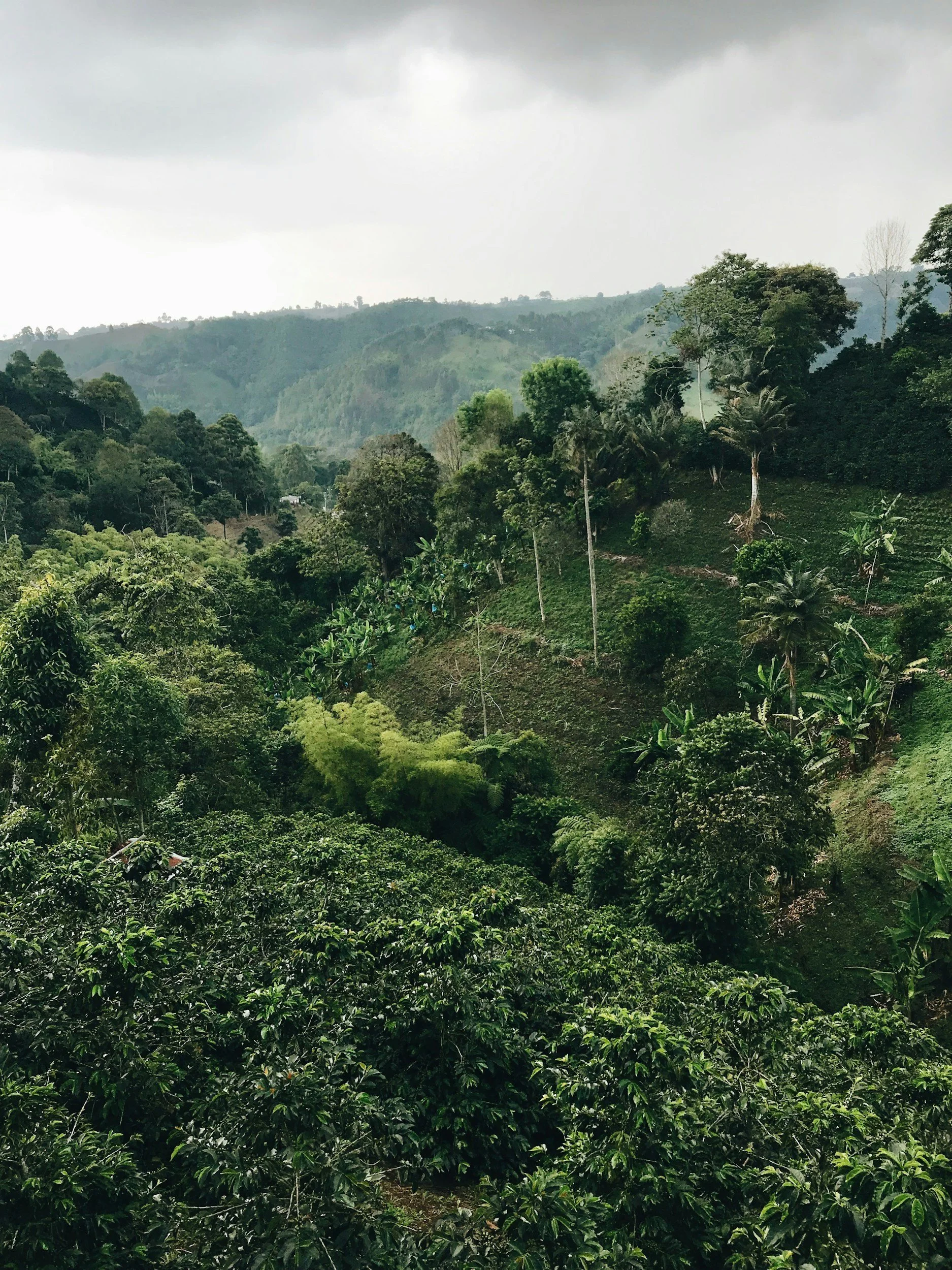
Coffee Origins are highly influenced by where its grown. Biggest influences are Soil Composition, Altitude, and Climate.
Why Origin Changes Coffee Flavor
The flavor of specialty coffee is highly influenced by where it's grown. The term terroir in coffee refers to the unique combination of soil composition, altitude, and climate.
Soil Composition
Different types of nutrients in soil lead to different flavors. Volcanic soil often produces more complex flavors. Nutrient-rich soils also support healthier plants.
Altitude
Higher altitude = more acidity and complexity
Lower altitude = heavier body, less brightness
Climate
Sun exposure, rainfall patterns, and temperature swings all influence how the coffee cherry develops.
How to Choose Coffee by Region
If you like:
Chocolatey coffee, choose Latin American coffees.
Fruity coffee, choose African coffees
Bold, heavy coffee, choose Indonesian / Asia Pacifica coffees
Why The Coffee Belt Matters More Than You Think
Though it can be mass-roasted, coffee plants can’t be mass-produced anywhere due to the attention to detail that is needed for each individual plant. Geography also limits coffee supply. Climate change is impacting growing regions and high-quality coffee depends on very specific environments.
Suggested Article: Ethically Sourced Coffee: What It Really Means
Understanding Where Coffee Grows
Every cup of coffee starts in a specific place on Earth.
The Coffee Belt is the reason coffee can taste:
fruity
chocolatey
floral
bold
Understanding where coffee grows helps you choose coffee that actually matches your taste.
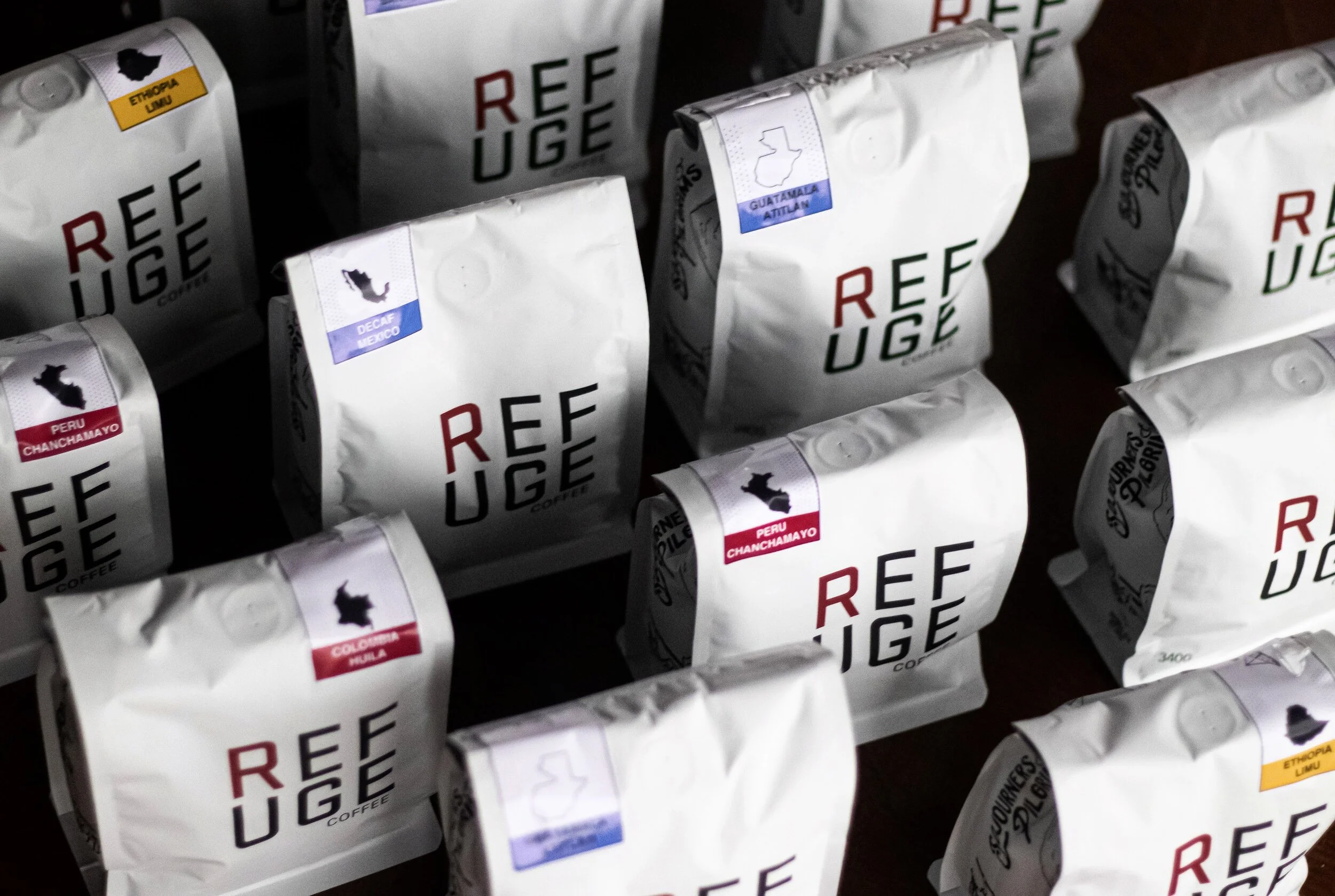
Anything for your taste.
Single Origins, Blends, Microlots, Subscriptions, and more.