What Is Pour-Over Coffee? Method, Extraction, and Why It Tastes Better
Why Pour-Over Has a Reputation
The pour-over method of coffee making can often be seen as a “snobby” coffee or only for perfectionists. But what even is a pour-over? How is it different from a regular drip pot? And why is it more expensive?
Simply put, the pour-over is a brewing method that allows more control, and it’s not inherently better or worse than other coffees.
Some people believe pour-overs to be more complicated and harder to make because of the multiple variables, but with a few pointers, you can be on your way to making a delicious cup of coffee and you might even have fun!
So follow along on the journey as we learn all there is about pour-overs.
What Is Pour-Over Coffee
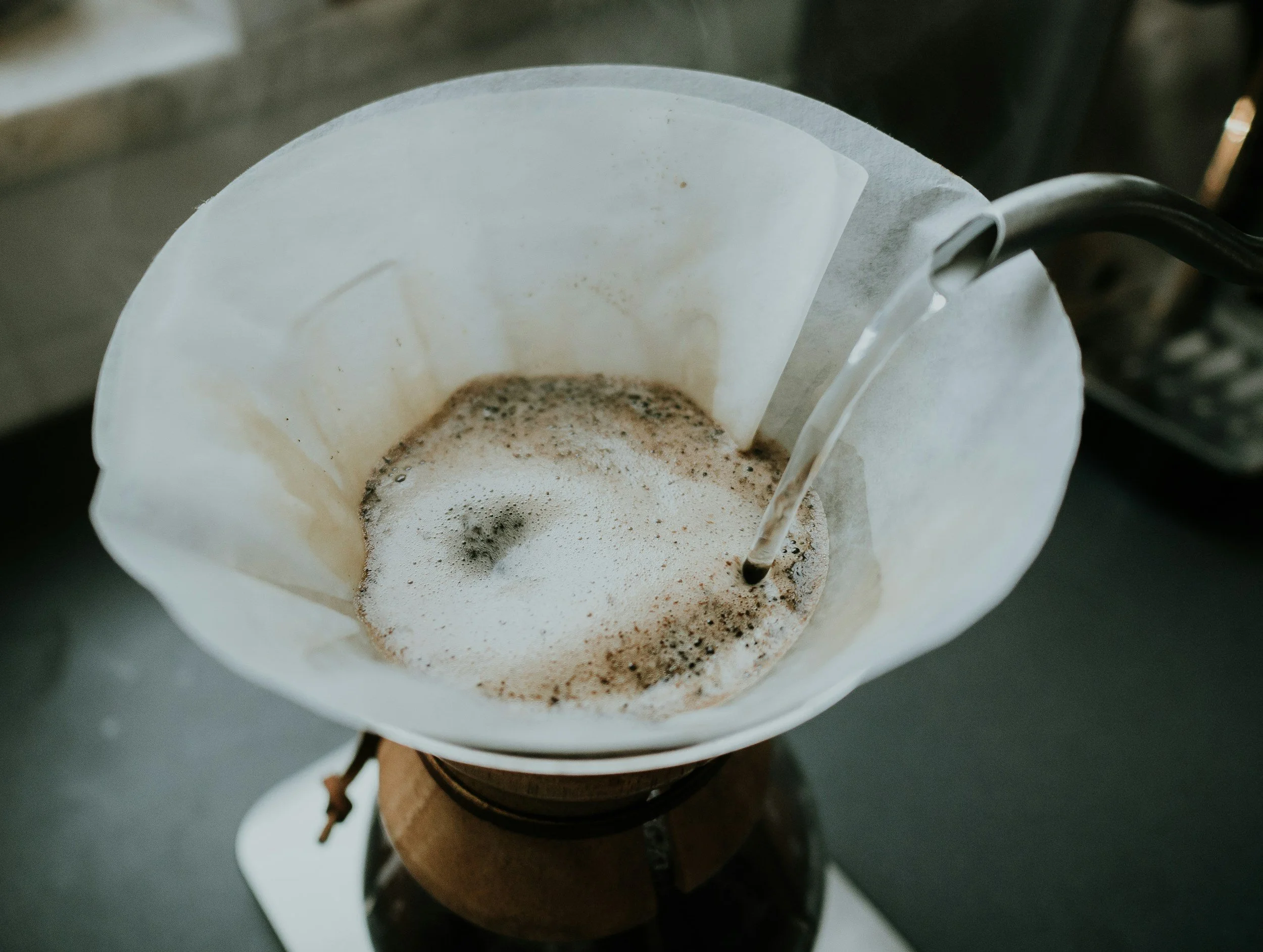
Pour Over into a Chemex
Manual Gravity Brewing
The water pressure of a drip machine is a lot stronger than the water that would come from your kettle and can seep through before all of the delicious bean flavors can integrate into the water.
A pour-over is a brewing method that is entirely manual and utilizes gravity to evenly pull water through the ground beans. In a sense, you are the drip pot.
Paper Filtration
Before you place your beans into the brewing device, you must place a paper filter. This is necessary to prevent grounds and other unwanted sediments to make it into the final cup of coffee. There is also an importance on the type of filter used as thicker filters cause less body but a more enjoyable acidity. Thinner filters are great for coarser ground coffee and lighter roasts.
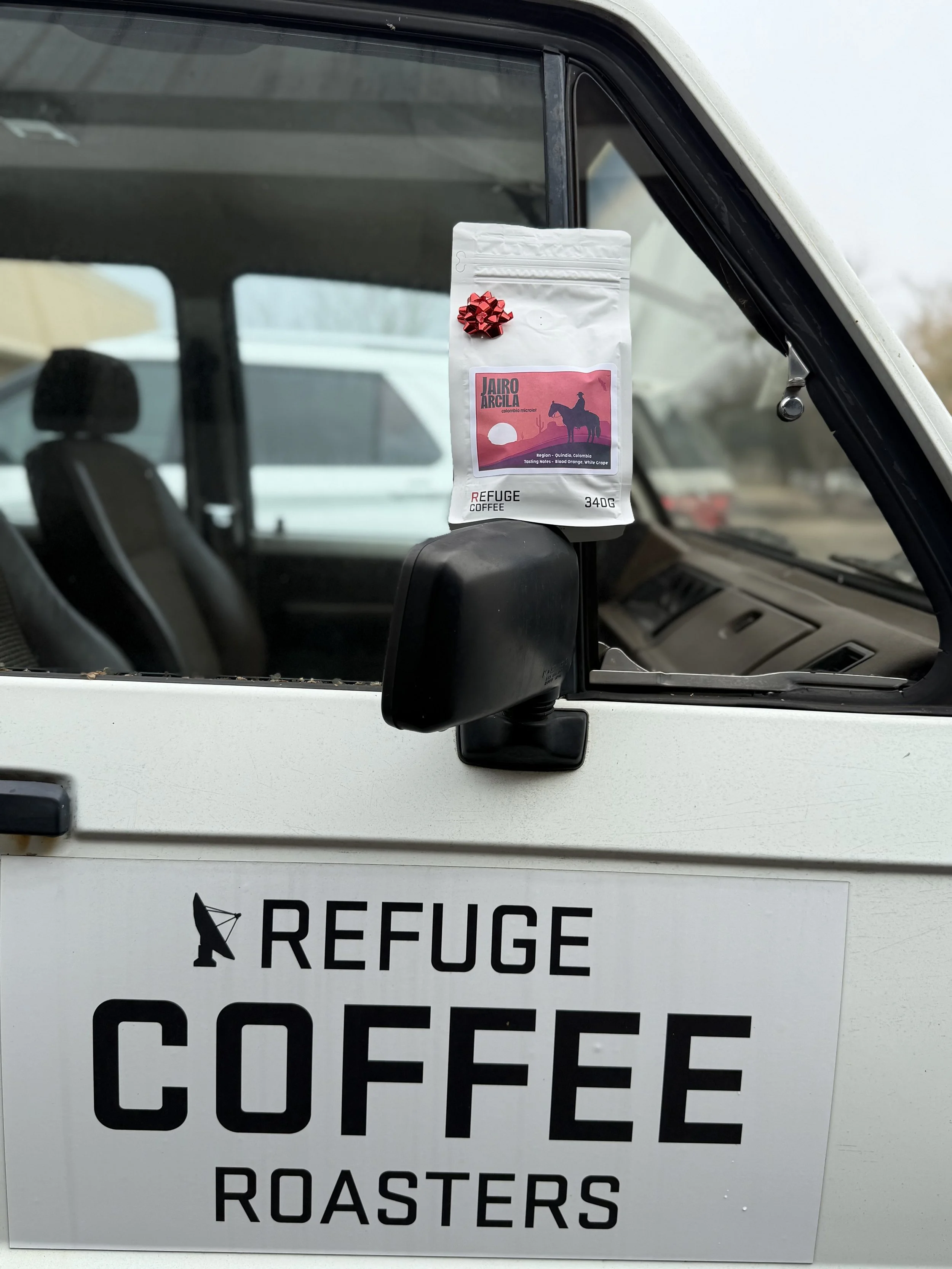
Microlot Jairo Arcila - Quindio, Colombia Single Origin / Tasting Notes: Blood Orange & White Grape / Starting at 19.00
Direct Control
Many drip machines have preset settings that make fine-tuning your cup nearly impossible. Looking for specific flavor notes? Using a pour-over method can allow you to control temperature, time, amount of water, and several other variables.
A lot of coffee machines are made of plastic that can’t be heated at the recommended amount, between 195 and 205 degrees, meaning your coffee can become underextracted because a colder temperature doesn’t have time to extract all of the oils, caffeine and other compounds that are a part of a delicious cup.
How Pour-Over Extraction Works
Blooming
The concept of “blooming” may be a new one for you, simply put, water is quickly poured over the top of the grounds for roughly 30 seconds. The result is a ballooning of the grounds or the bloom.
But why do we do this?
As in any roasting process, hundreds of chemical compounds are created and released. One of these is carbon dioxide.
When beans are first roasted there is still a ton of gas locked inside, as beans age the gas is slowly expelled which is why picking a good roast date for a bag of beans is important; too fresh and your beans are overly gaseous.
By blooming the grounds, the leftover carbon dioxide can be released. The result? Delicious coffee.
Flow Rate
Flow rate refers to how quickly water moves through the coffee bed. A slower pour means water spends more time interacting with the grounds, extracting more compounds. A faster pour shortens that interaction and extracts less.
Under- vs. Over-extraction
Too fast: Water passes through before fully extracting - sour, thin, under-developed flavors
Too slow: Water lingers too long - bitter, dry, over-extracted flavors
Balanced flow helps extract sweetness, acidity, and bitterness in proportion.
Contact Time
Contact time is the total duration water and coffee interact during brewing.
In a pour-over, this is influenced by grind size, pour speed, and filter type.
A short contact time results in a lighter body but sharper acidity while a longer contact time creates a stronger brew and heavier flavors.
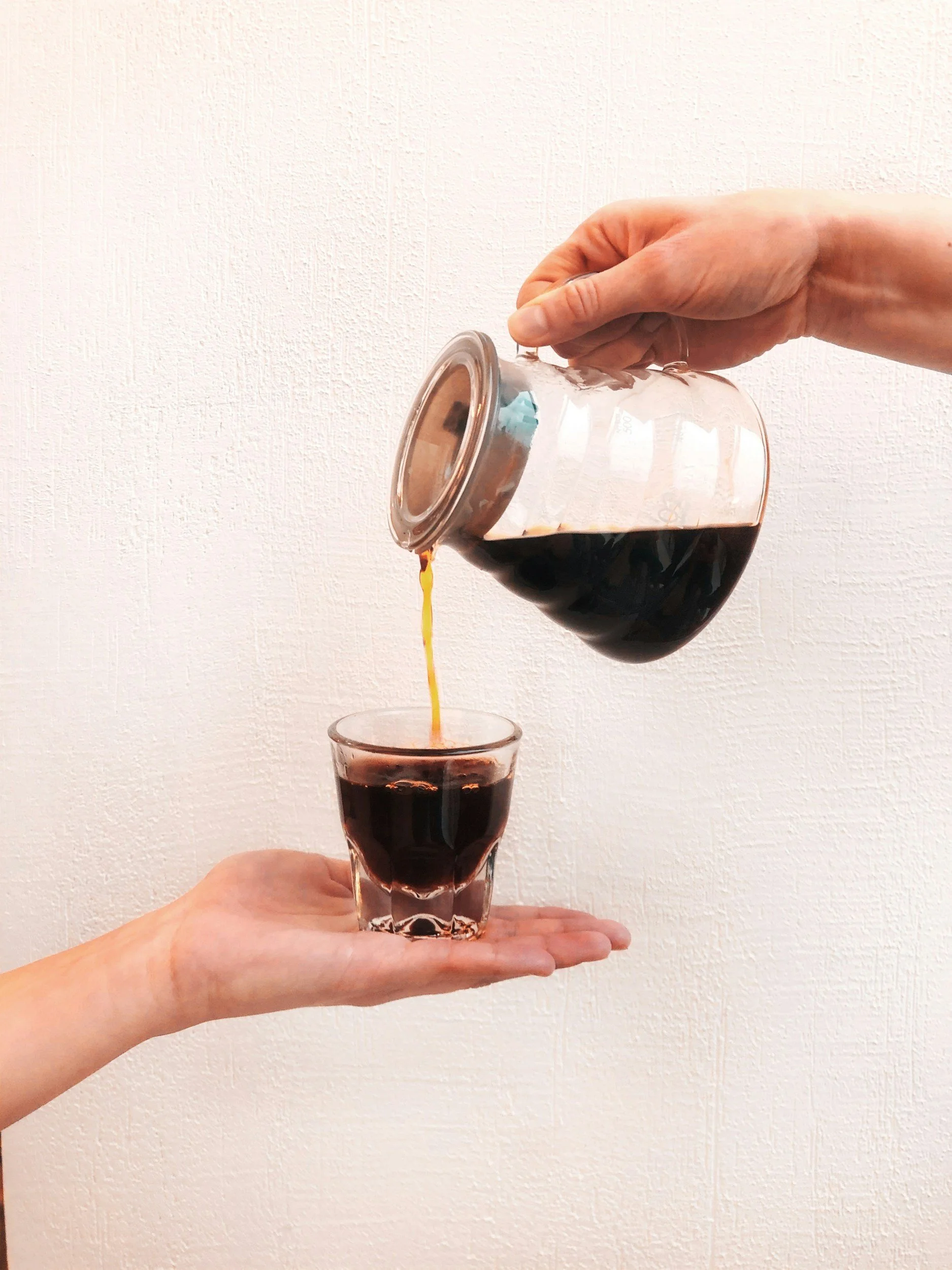
Why Pour-Over Tastes “Cleaner”
There are three main reasons pour-overs can taste “cleaner” than other coffee methods.
Paper Filters: These create small holes for the coffee to seep through, leaving behind any oils or minerals.
Reduced Oils: The filters remove the excess oils which means a lighter mouthfeel is left behind.
Even Extraction: When extraction is even, no single flavor dominates. Sweetness, acidity, and bitterness stay in balance. This creates a clearer flavor profile, which results in the impression of a cleaner taste.
Key Variables That Matter
Grind Size
A grind size that is too small slows down the flow of water and can create bitter, muddled flavors. Grinds that are too coarse cause the water flow to speed up and can result in weak and sour extraction.
A medium-fine allows a good amount of resistance to slow water without stalling the brew.
Water Temperature
The ideal range for coffee water temperature is 195 degrees - 205 degrees, slightly before boiling. Cooler water temperature can lead to sour and flat flavors, while higher temperatures can result in bitterness.
Pour Technique
There are two main pouring techniques, Pulse Pouring and Continuous Pouring.
Pulse Pouring utilizes small pulses of water until you reach the desired amount of coffee grams. Continuous Pouring is a steady tiny stream of water until the desired amount of water is obtained.
Pulse Pouring: controls agitation and flow rate
Continuous Pouring: Even saturation and decreases disruptions to the coffee bed.
Ratio
The ratio sets the foundation for strength and balance (e.g., 1:15–1:17).
Learn more in our coffee-to-water ratio guide.
Reminder: Ratio is a starting point, not a rule.
Common Pour-Over Mistakes
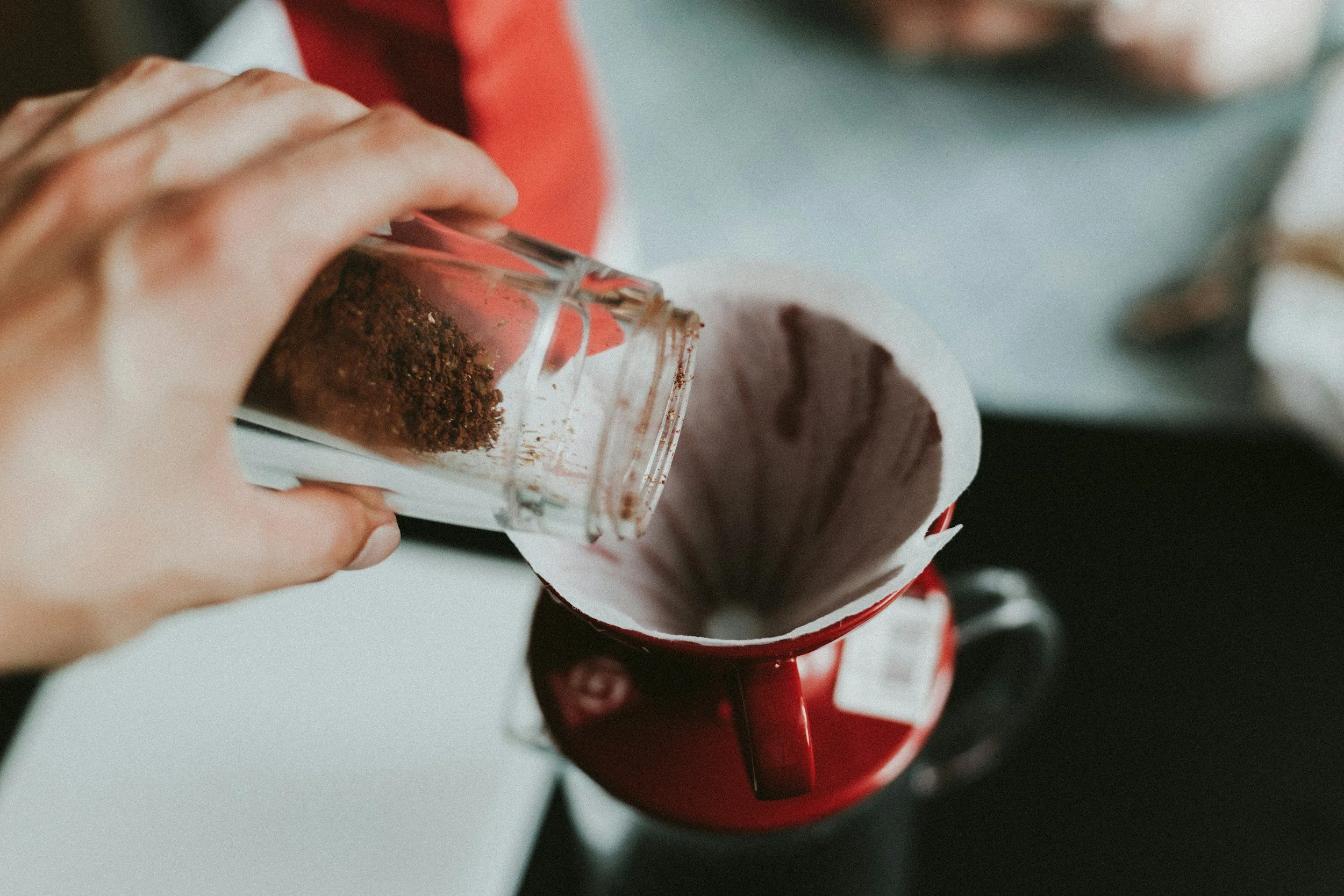
Pouring Coffee Grinds into a Pour Over
Over-Agitation
Excessive stirring or aggressive pouring breaks down grounds and releases bitter compounds.
Inconsistent Pours
Uneven pouring leads to uneven extraction—some grounds over-extracted, others under-extracted.
Old Coffee
Freshness matters. Stale beans lose aromatics and sweetness, resulting in flat, dull cups.
Who Pour-Over is (Or Isn’t) For
Well-suited for:
Curious beginners
Flavor-focused drinkers
People who enjoy hands-on brewing
May prefer other methods:
Busy mornings
Batch brewing households
Those prioritizing speed and volume
This is about preference and not skill level.
Final Takeaway
The pour-over shouldn’t be seen as a scary method that only seasoned coffee pros can do, it's an art and should be accessible to everyone.
If you have the time and patience to learn how to make a delicious pour-over, then go for it!
But if you have busy mornings, kids to get to school, crazy work hours, or just don’t want to put too much effort into a cup of joe, don’t be afraid to stick to the tried-and-true methods.