What Is the Ideal Coffee-to-Water Ratio?
What Is the Ideal Coffee-to-Water Ratio For Drip Brewing And More?
If you’ve ever asked yourself, “How much coffee should I use for drip brewing?” you’re asking one of the most important questions in coffee. The coffee-to-water ratio directly affects flavor clarity. Get it right, and your coffee tastes fuller, more consistent, and the flavor notes shine through.
Get it wrong, and even high-grade coffee can taste flat, sour, or bitter.
This guide explains the ideal coffee-to-water ratio for drip coffee, why it matters, how to measure it accurately, and how to adjust it for your taste — all with practical advice.
What Does Coffee-to-Water Ratio Mean?
Understanding the Coffee Ratio by Weight
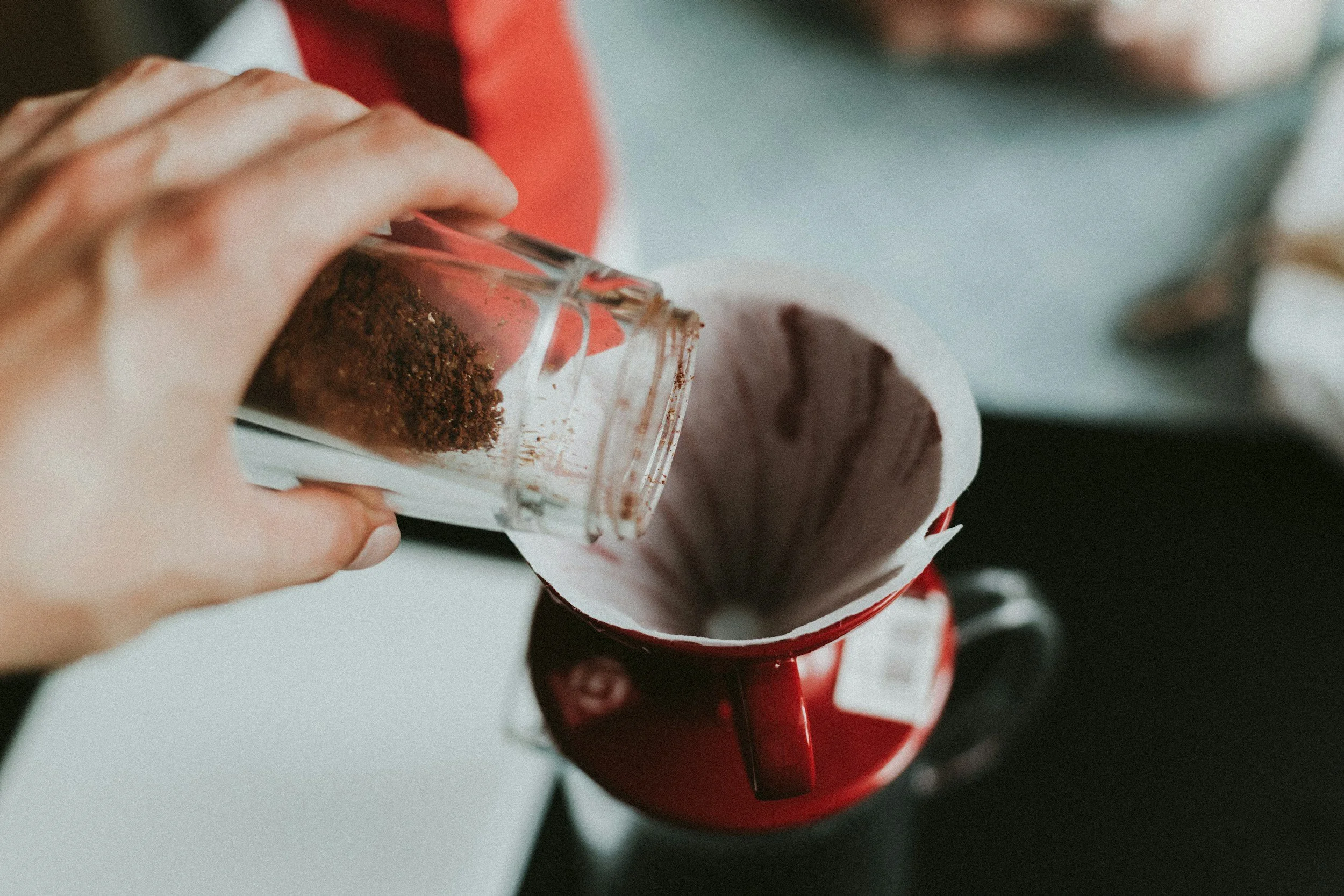
The coffee-to-water ratio describes how much ground coffee you use relative to the amount of water. It’s written as a ratio, such as 1:16, meaning 1 gram of coffee for every 16 grams (or milliliters) of water.
Using weight instead of volume is critical because coffee beans vary in density based on roast level and origin.
Measuring by grams keeps consistency no matter which coffee you’re brewing.
The Ideal Coffee-to-Water Ratio for Drip Brewing
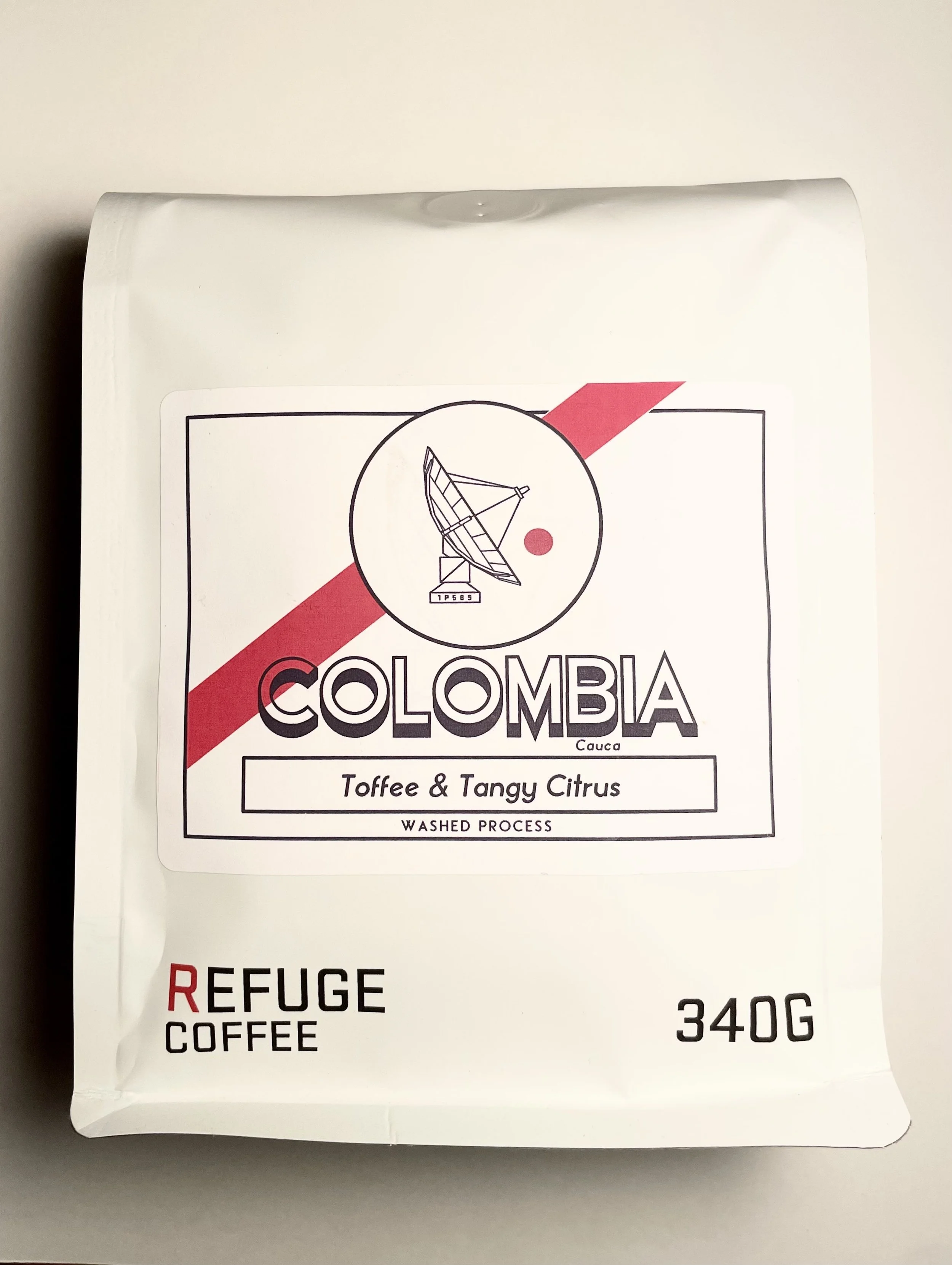
COLOMBIA CAUCA - Click to Learn More
Notes: Toffee / Tangy Citrus | Starting at 19.00
The Specialty Coffee Standard
For drip coffee and pour-over methods, most professionals agree on a reliable starting range. The Specialty Coffee Association recommends ratios between 1:16 and 1:17 for balanced extraction.
A 1:17 coffee ratio is often considered the sweet spot because it highlights sweetness, clarity, and body without overpowering bitterness or thinness.
At Refuge Coffee, we typically stick with 1:16-1:17 when we make our drip or pour-overs.
How Much Coffee to Use for Amount of Coffee Brewed
If you’re brewing 500 ml (about 16 oz) of drip coffee, a 1:17 ratio means using roughly 29 grams of coffee. This same math scales easily for any brew size and allows you to maintain consistent results.
Why Coffee-to-Water Ratio Matters for Flavor
Extraction and Taste Balance
The coffee ratio directly controls extraction — the process where water dissolves flavor compounds from the grounds.
When the ratio is too weak, coffee often tastes sour, hollow, or underdeveloped. When the ratio is too strong, bitterness and harshness dominate. A balanced ratio helps extract sugars, acids, and aromatic compounds evenly.
In layman’s terms… it makes the coffee taste WAY better.
Strength vs. Extraction (They’re Not the Same)
A stronger cup doesn’t always mean better extraction. Strength refers to concentration, while extraction refers to how evenly flavors are pulled from the grounds. The right ratio helps balance both.
How to Measure Coffee and Water Correctly
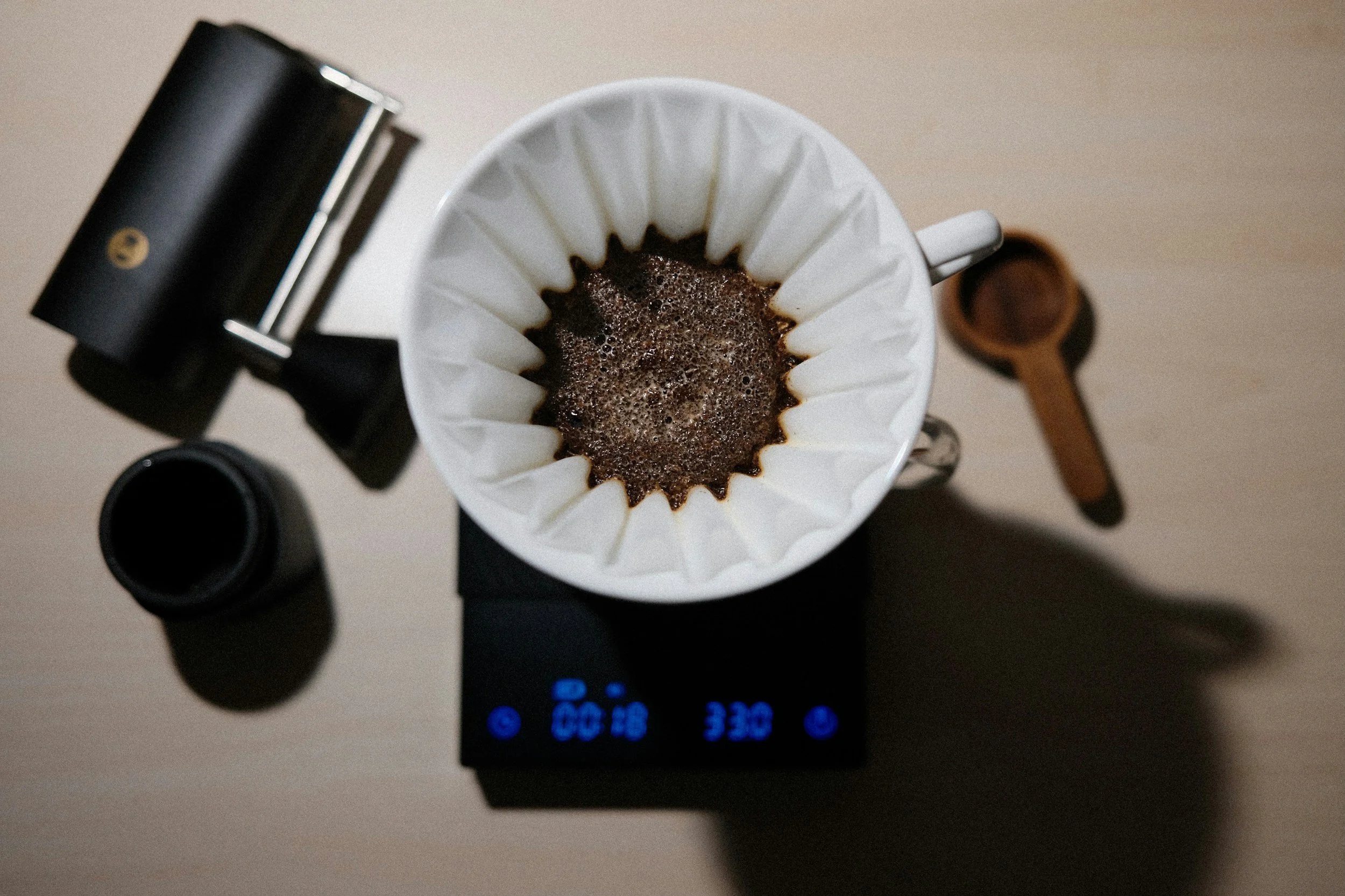
Why Measuring by Weight Is Best
Using a digital scale is the most accurate way to measure coffee for drip brewing. Scoops and tablespoons vary widely depending on grind size and roast level, which leads to inconsistent results.
A gram of coffee is always a gram — whatever type of roast — making weight-based brewing far more reliable.
Can You Measure Coffee Without a Scale?
If you don’t have a scale, measuring by volume can work as a temporary solution. On average, one tablespoon of ground coffee equals about 5–7 grams, but this method is imprecise and you should avoid it when possible.
Adjusting the Coffee Ratio for Taste
If Your Coffee Tastes Weak or Sour
When drip coffee tastes thin or acidic, the ratio is often too high. Moving from 1:17 toward 1:15 increases strength and body while improving perceived sweetness.
If Your Coffee Tastes Bitter or Harsh
If bitterness dominates, reducing the amount of coffee relative to water can help. Shifting from 1:18 toward 1:16 usually will soften any harsh bitterness and improves balance.
When Ratio Isn’t the Only Problem
If coffee tastes flat or unbalanced even with a good ratio, other factors like grind size, water temperature, or roast freshness may be the issue. Ratio is foundational, but it works best alongside proper technique.
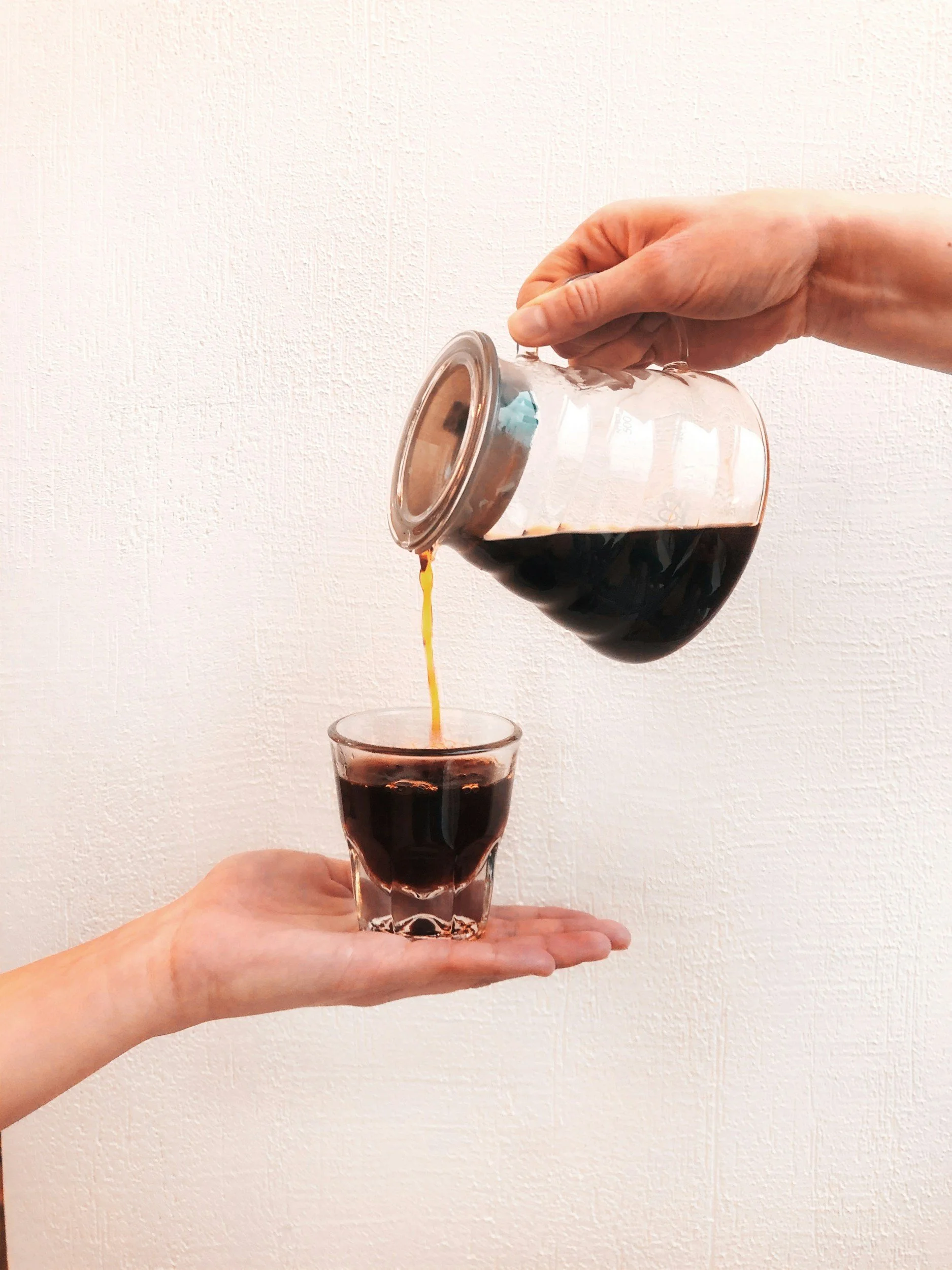
Ideal Coffee-to-Water Ratio by Brew Method
With any brew method, we’ve found that you need to test different ratios on each coffee to find the sweet spot. Us baristas call this process “dialing in” the coffee.
Drip Coffee Makers
Most automatic drip machines perform best between 1:16 and 1:17, using a medium grind and water around 195–205°F (90–96°C).
Pour-Over Brewing
Pour-over methods like V60 or Kalita Wave also thrive in the 1:16–1:17 range, though lighter roasts may benefit from slightly higher ratios to highlight acidity and clarity.
Measuring Coffee Ratio: Weight vs. Volume
Why Baristas Avoid Scoops
Coffee beans expand and change density during roasting. Dark roasts are lighter and larger, while light roasts are denser. This makes scoop-based brewing inconsistent.
Using weight ensures repeatability, which is why nearly all specialty coffee recipes rely on grams rather than tablespoons.
Beyond Ratio: Other Factors That Affect Drip Coffee
Grind Size for Drip Brewing
A medium grind is standard for drip coffee. Too fine a grind leads to bitterness, while too coarse a grind can cause weak extraction even with a good ratio.
Water Temperature and Quality
Water that’s too cool under-extracts coffee, while overly hot water can exaggerate bitterness. The best coffee water is filtered water because it improves clarity and prevents mineral imbalance from affecting taste.
Coffee Freshness
Freshly roasted beans extract more evenly and taste brighter. Stale coffee makes it harder to achieve good results regardless of ratio.
A Simple Drip Coffee Recipe to Start With
Begin with 20 grams of coffee and 340 grams of water, which equals a 1:17 ratio. Use a medium grind, water at about 200°F, and adjust slightly based on taste. Small changes of just a few grams can noticeably change the flavor.
What Is the Perfect Coffee Ratio?
The “perfect” coffee ratio doesn’t exist as a single number. Instead, 1:16 to 1:17 serves as a reliable baseline for drip brewing (emphasis on baseline). From there, your preferences, beans, and equipment determine what’s great for you.
At Refuge Coffee Roasters, we typically stick in the 1:16-1:17 range for ratios when we make our drip coffee or pour-overs.
Refuge Coffee Roasters, Fairhope Alabama
At Refuge, our goal is to bring the most out of each coffee, both in roasting and in serving from either of our shops in Fairhope, Alabama.
Check out our full selection of freshly roasted whole bean coffee!