What is a Coffee Blend?
Why Coffee Blends Are Misunderstood
You’ve probably seen large-scale and small-scale roasters alike bagging and selling “coffee blends”. But what is a coffee blend?
Coffee blends are made when different single-origins or regions are blended together. Nowadays, most small to medium-scale roasters do this to create and experiment with specific flavors.
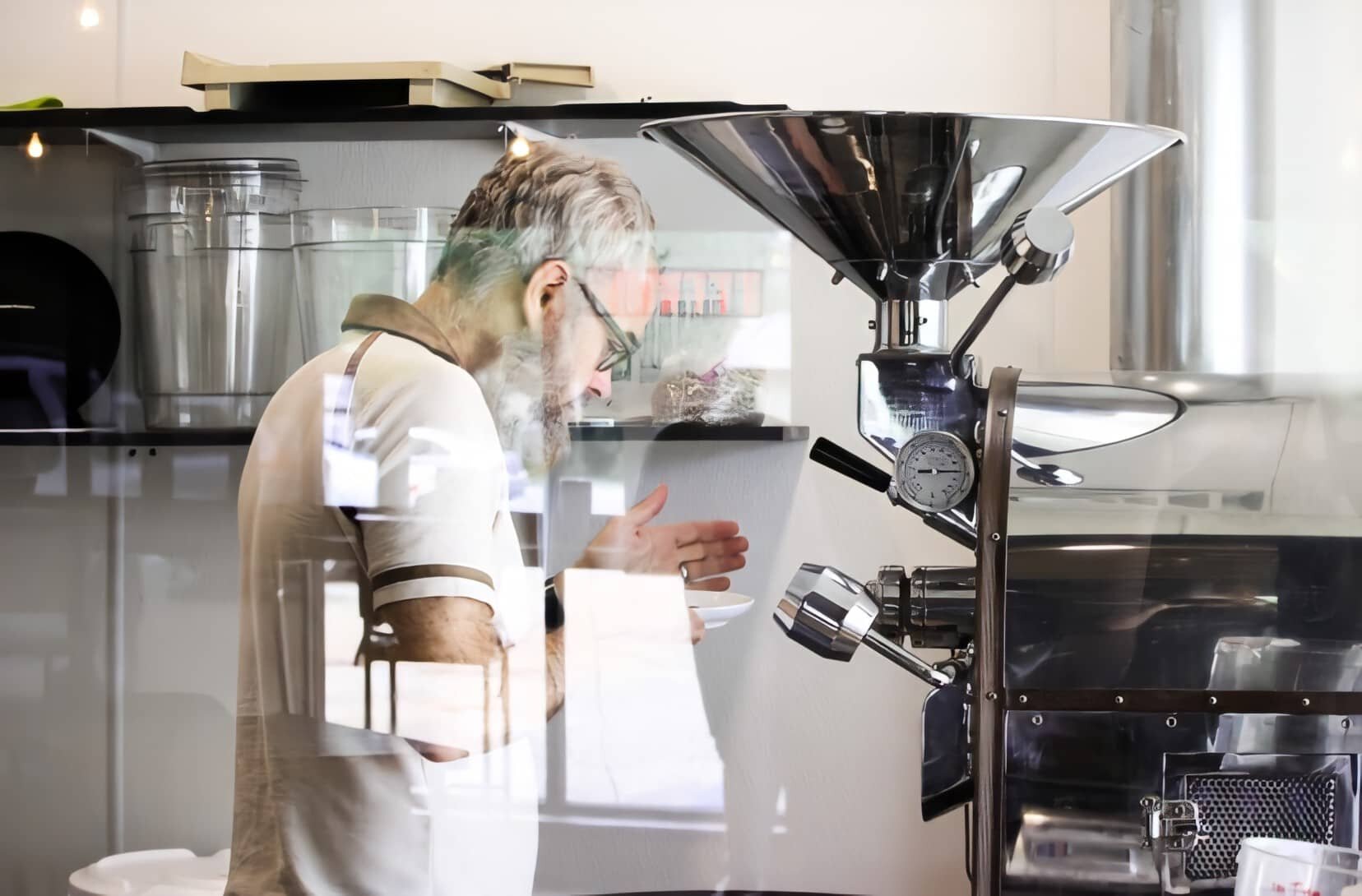
Jim McLean - Owner and Head Roaster of Refuge Coffee Roastery in Fairhope Roasting a Blend
“Why does this have a bad reputation?”, you might be asking yourself.
When coffee became a mainstream delicacy that most could afford, large companies decided to cut corners by blending cheaper beans in the mix and relied on the slightly nicer beans to cover the bad flavor.
Even with a rough start, small batch roasters were able to save the blend and give it a better name.
As we learn more about the intricacies of coffee blends, it's important to remember that blends are not just made from leftover coffee, they’re intentional.
SUGGESTED ARTICLE: Small Batch vs. Mass Roasting and Why It Matters for Your Coffee
What a Coffee Blend Actually Is
Definition in Plain Language
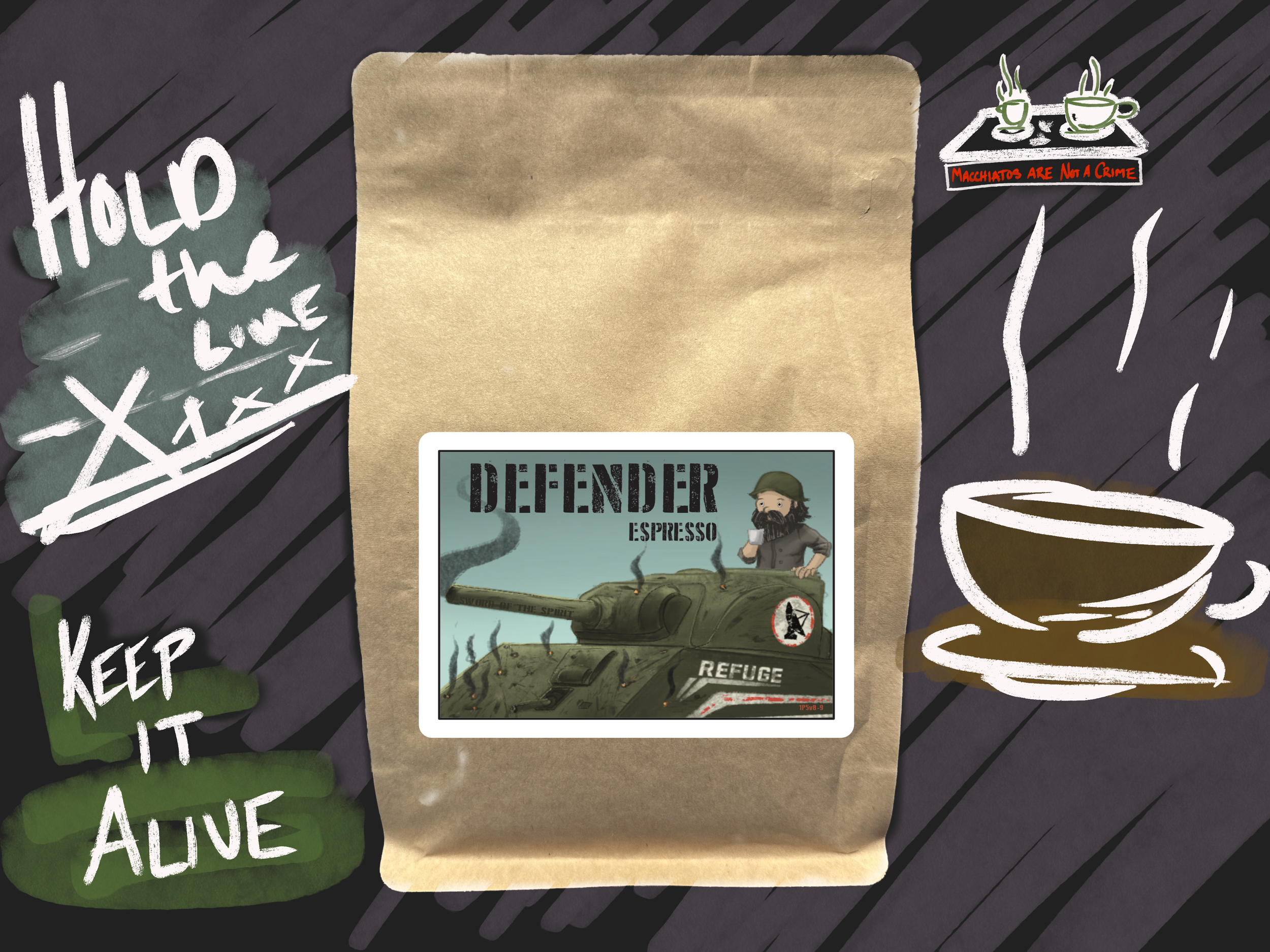
Defender Espresso Blend - Starting at 19.00
What is a coffee blend?
A coffee blend is made by combining two or more different coffees to create a desired flavor profile.
Roasters carefully select coffees from different origins and blend them in specific ratios to achieve a balance of sweetness, acidity, body, and complexity that may not be possible with a single coffee alone.
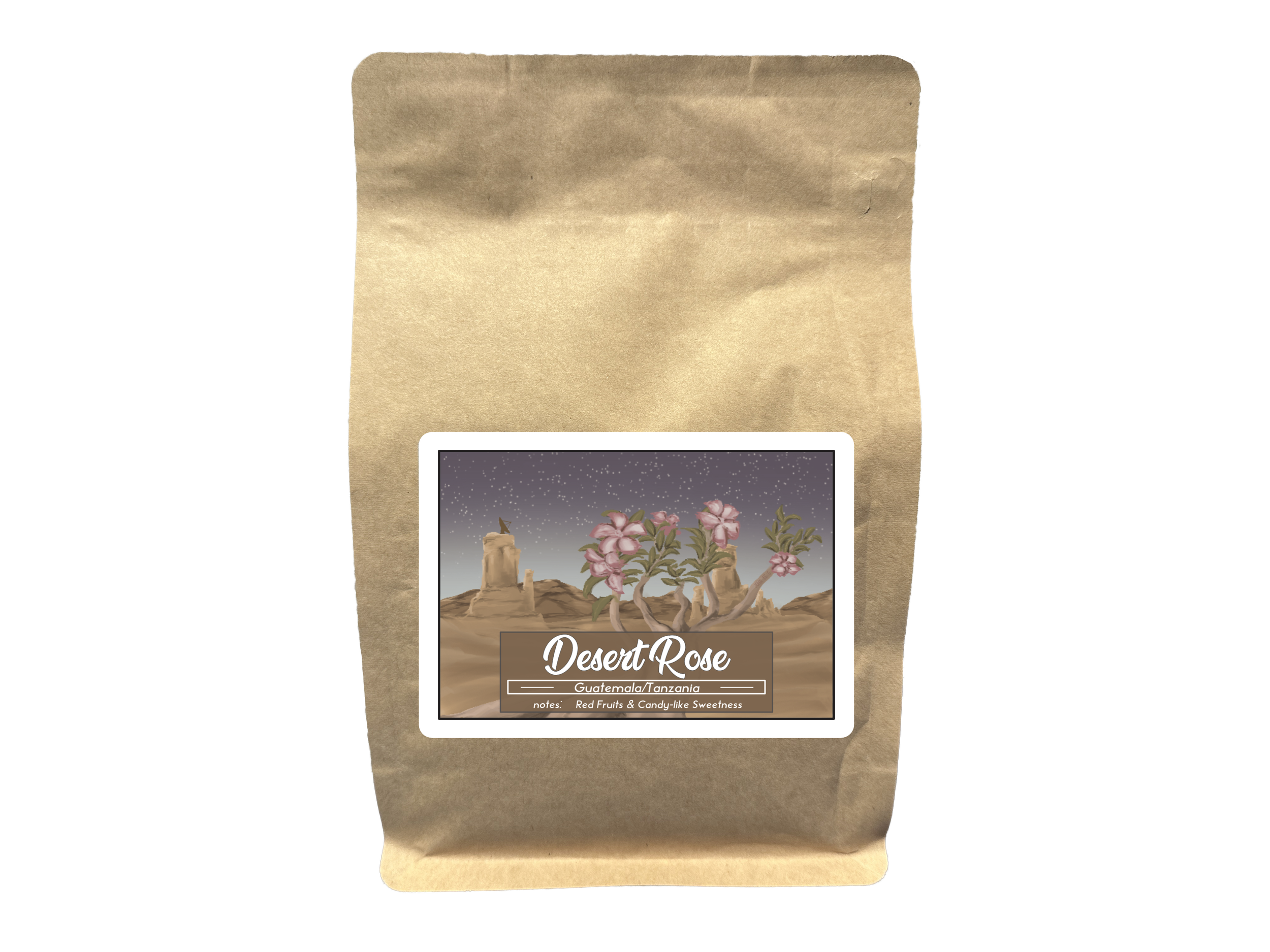
This is done to combine different origins and regions to create unique flavors; some roasters take the flavor-forward method. Roasters may think to themselves. “This new batch of Guatemala tastes like blueberries, I think our Tanzania, which currently tastes like chocolate, would be perfect with it!” Thus a new blend is born and adored by many.
The other method is origin forward, roasters stick to the same origins or regions, but tweak the roasting profile for the seasonal changes that happen to beans. This keeps the coffee tasting the same.
Multiple Coffees, One Profile
Coffees are grouped into progressively smaller categories, such as origins, regions, farms, and microlots. Origins often summarize the slight variations in flavors across a country while regions take into account altitude, soil and climate that varies throughout a country.
A Brazil, Mogiana can taste significantly different from a Brazil, Matas de Minas.
Coffee farms and microlots narrow down these variables even more. One of our current microlots, Jairo Arcila, is a Colombia blend with blood orange and white grape notes; while our Colombia Cauca single origin has toffee and tangy citrus notes.
Blends are Designed, Not Accidental
Often, people assume blends are made from scraps or low-grade beans, but this is simply not true for specialty coffee roasters. Some larger-scale roasting companies still practice this habit created in the initial coffee boom, but as a whole, the practice has received the boot.
To create blends that coffee pros and the casual sipper can both enjoy takes a skill that is honed over time. Whole batches, rarely, but sometimes have to be thrown out due to poor taste.
Knowing what will be enjoyed and knowing what won’t is a genuine craft that roasters take care to ensure that they are making a quality product.
Why Roasters Create Coffee Blends
Flavor Balance
Blending beans can bring out all of the good in each bean, while cutting the parts that are lacking. While one type of bean could be really sweet, it could lack body. But by blending it with a bean that has a nice body, you can create a delicious blend.
Consistency Across Seasons
Coffee beans can be affected by a multitude of things. Droughts and increased temperatures are the main concerns with seasonal changes.
For example, our Brazil for 2023 was one of the best yields we have had in a while; however, our 2024 and 2025 were not as good.
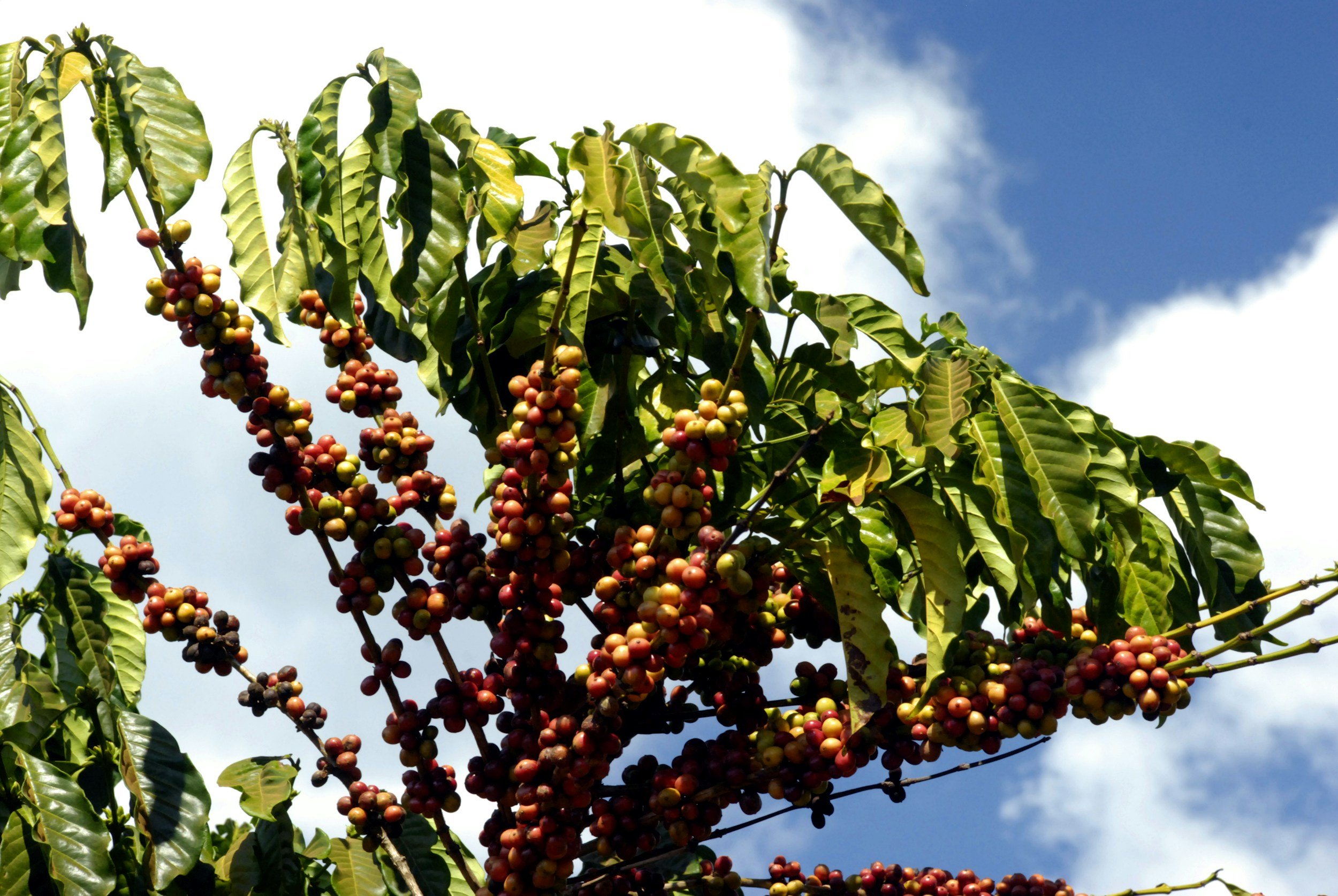
Coffee Cherries growing
This was because of a major drought and heatwave that hit the country, affecting all of their beans.
They were still high grade, but the beans were more fragile, meaning we had to roast them a little lighter, and going over the threshold caused a more bitter flavor to showcase itself. Thus, as a single origin, Brazil was objectively not as good as it once was because all of its good and all of its faults were on display.
In a blend, we can course correct with our other beans to ensure the best of all the beans are intact, and the bad flavors are overpowered.
In our Defender Espresso blend, we roasted our Brazil lighter and tweaked the Colombia and Guatemala to ensure that the quality we hold ourselves to is always being met and improved every time we roast.
Espresso Performance
Espresso is highly concentrated, meaning you taste everything.
During the Brazil drought, our Defender had to go on a journey to improve itself. By adjusting the roast time on each bean, the blend overall became slightly more acidic so we had to dial in different than we had been to keep the espresso delicious.
If we had been pulling Brazil as a single-origin espresso, it would’ve been incredibly hard to make our espresso taste as good as we want. Which is why most coffee shops use blends to make their espresso.
It's also useful for consistency.
Some beans are heavier-bodied and make amazing crema, the golden frothy layer at the top of the espresso, which helps with the aroma of espresso and signals fresh, delicious coffee, while other beans don’t have quite as nice crema. So by blending multiple, you can have the best of all of them.
Accessibility for Drinkers
Beginner coffee drinkers and pros alike adore coffee blends, but why is that? Blends are designed to be approachable and consistent.
When you wake up in the morning, you don’t want to have to do mental math to make your drink, you need your coffee first! Blends are easier to brew with any method, like drip pots, pour-overs, french presses, because the flavor stays relatively consistent without having to perfect every variable.
How Coffee Blends Are Built
Base Coffee (Body & Sweetness)
When creating a good coffee blend, roasters begin with a base coffee that focuses on body, sweetness, and structure. For our Defender blend, this is our Colombia.
Accent Coffee (Acidity or Aroma)
The accent coffee is often a smaller portion to offer brightness and aromas. This is typically our Guatemala.
Support Coffee (Rounding the Cup)
The support coffee rounds out the cup by smoothing edges or filling gaps. This reinforces drinkability and balance. The support coffee for Defender is our Brazil.
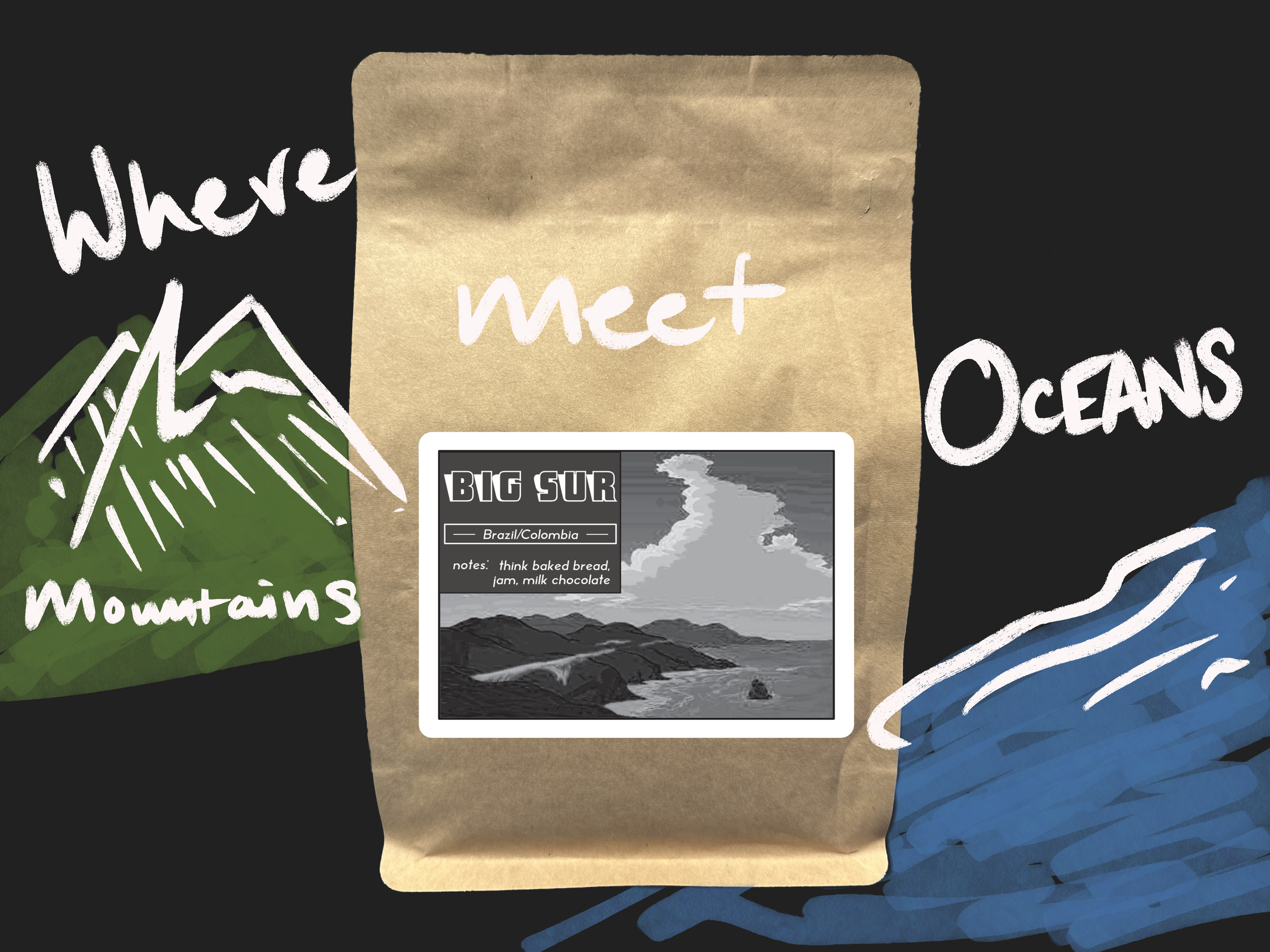
Coffee Blend Vs Single Origin
Coffee Blends
Coffee blends are popular because they create a reliable and consistent flavor profile from bag to bag. Roasters can carefully combine different coffees to create a balanced cup that is easy to enjoy and pairs well with a variety of brewing methods and foods.
The tradeoff is that blends are less distinctive than single-origin coffees and can be harder to trace back to a specific farm or growing region.
Single-Origin
Single-origin coffee is a different experience. Because the beans come from one farm, estate, or region, they are typically more traceable and showcase the unique characteristics of their origin.
Many coffee drinkers enjoy single-origin coffees for their distinctive flavor notes and the story they tell about the farmers, climate, and terroir behind each harvest. However, these coffees can vary from season to season and are sometimes only available during certain times of the year, making consistency harder to maintain.
Do Blends Mean Lower Quality?
Why This Belief Exists
During the initial coffee boom, commodity coffee was at the forefront of larger coffee companies' minds. They would take cheaper Robusta coffee and mix it with slightly nicer Arabica beans with more impurities than specialty grade. This was done to cover up the impurities and cut costs on beans.
When It Can Be True
Low-end commercial blends have maintained this stigma by continuing the practice of prioritizing cost over flavor and customer satisfaction.
When It Absolutely Isn’t
Specialty coffee companies do not sacrifice flavor and only use high-quality components. Quality coffee truly depends on intent and sourcing.
Specialty Blends vs Commodity Blends

A fresh roasted coffee blend leaving the drum to cool off. Refuge Coffee Roasters in Fairhope Alabama
Specialty Blends
Specialty coffee is defined by quality, traceability, and craftsmanship at every stage of the process.
The beans are carefully sourced, roasted, and brewed with intentionality to highlight each one’s unique characteristics.
Specialty coffee blends prioritize quality over volume. Rather than using large quantities of inexpensive coffee, roasters intentionally combine premium beans to create a balanced and flavorful cup. The focus on better sourcing, careful roasting, and overall cup quality often results in a higher price, but it also delivers a more consistent and enjoyable coffee experience.
Commodity Blends
Commodity coffee blends are typically designed with cost, consistency, and large-scale production in mind.
These blends are often sourced from multiple origins to create a reliable flavor profile that tastes similar from batch to batch.
While consistency is a major advantage, the focus is usually on efficiency and affordability rather than showcasing unique origin characteristics or complex flavor nuances.
How Blends Taste Compared to Single Origins
Balanced Sweetness
Blends are often more well rounded and fuller than single origins because of the supporting and accent coffees used in the blend. They are intended to fill the gaps and create a unique, complex drinking experience.
Reduced Sharp Acidity
Blending can tame the extremes of origins by mixing other coffees that are less acidic and mix well with other beans.
Broader Appeal
Blends are crowd-friendly because they are consistent and easy to brew at home. They also create new flavors that would be unattainable on their own. Roasters truly are able to tell a story with the blends they make.
Less Volatility Cup-to-Cup
Single origin coffee can change flavor throughout its lifespan. Once coffee is roasted, it begins expelling gasses, which is why it's best to brew coffee that's at least a few days old. Because single origins are singular beans, the gasses expel at the same rate meaning the beans change flavor rapidly. This can be a fun experience of trying new flavors and tracing the change over the course of weeks, but if you’re looking for consistency over the bean’s lifespan, then a blend is perfect for you.
When a Blend is a Better Choice
Daily Drinking
With change being a constant factor in life, sometimes it's nice to have something that doesn’t change that much. Having a coffee blend is the easiest way to start your morning with consistency. Begin your morning routine with starting your coffee pot and take that first sip, now you’re ready for whatever the day may bring.
Espresso
If you’re an at-home espresso drinker, you’ll know it's super hard to get a consistent shot. Due to grind size, age and water output, the espresso is ever-changing. With a blend, it's just a little bit easier to get that delicious shot with perfect crema, every time.
Milk Drinks
With single origin espresso, certain notes can cut through the milk and sweetened flavors and can distract. With a blend, everything is smooth. It’s all cohesive and creates an unforgettable experience.
Final Takeaway
Blends As Intentional Craftsmanship, Not A Compromise
Coffee blends, when made by specialty roasting companies, are intentional and made to tell a story that can only be understood by taste. Sometimes labels can say one flavor note, that you won’t actually be able to taste. So don’t let a label stop you, try the beans! Blends can be a smart and thoughtful choice, not a downgrade.
So stop by our shop, or buy online, and see what story you can taste in your cup of Refuge coffee.