Why Your Coffee Tastes Bitter (And How to Fix It)
The Bitter Coffee Problem
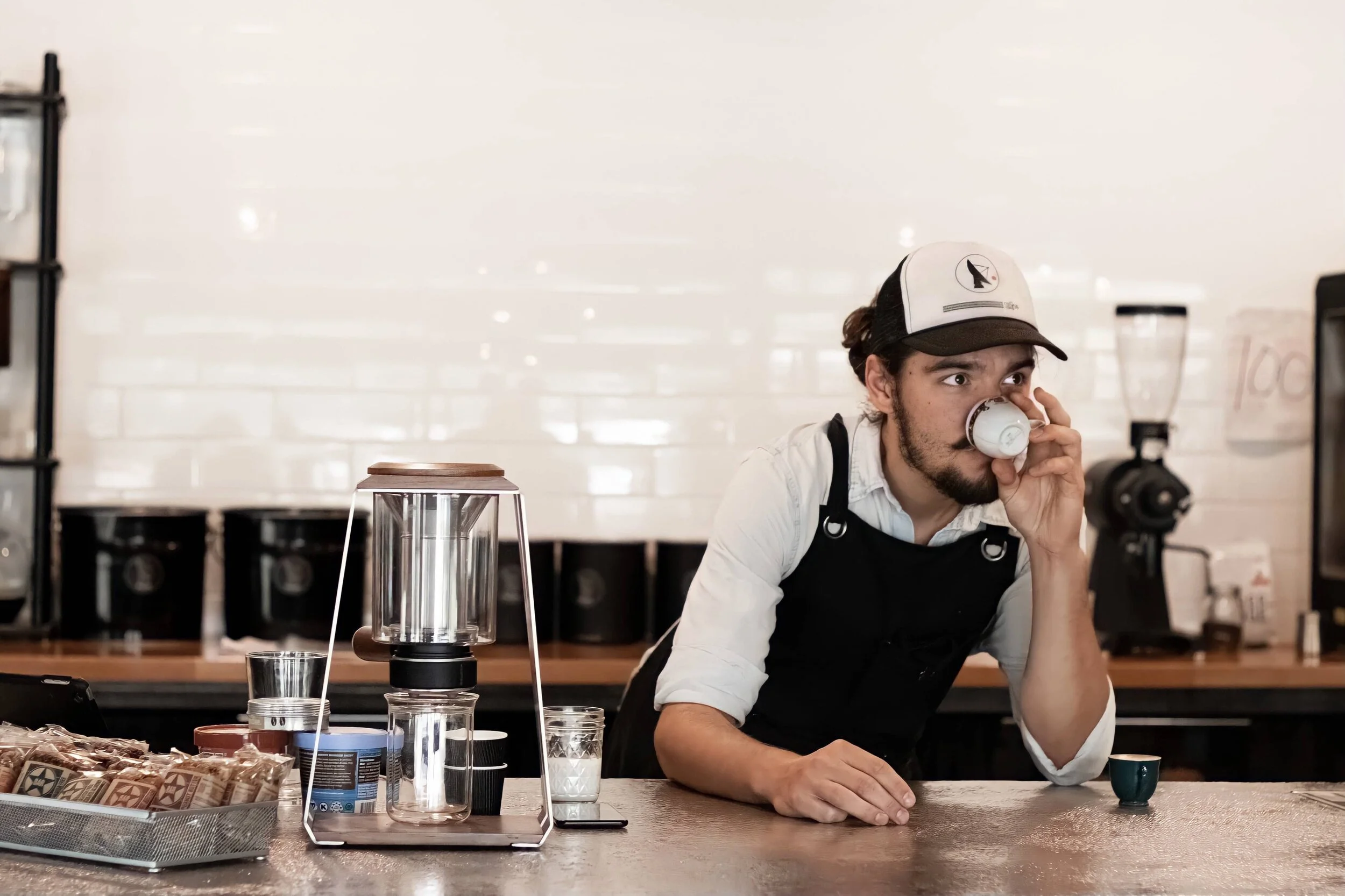
It's happened to all of us. A fresh cup of coffee is poured and smells amazing, but as you go in for the first sip that’ll get your groggy morning moving, it tastes like ash on your tongue.
The cause of coffee bitterness is one of the most searched coffee related questions.
It's no wonder when one bad sip can practically ruin a whole day. So what can be done about this universal violation?
In this guide we’ll reveal why bitterness happens and exactly how to fix it.
What Bitterness Really Means
A lot of people assume that a darker coffee means it will be bitter, but this isn’t always true. Bitter coffee is not about strength. It’s about an imbalanced extraction.
When too many bitter compounds are pulled from the grounds, bitterness makes its debut. The flavor is often harsh, dry, or astringent.
The #1 Reason Coffee Tastes Bitter: Over Extraction
Over-extraction is a fancy word that just means water pulls too many compounds from the coffee grounds, including the bitter ones.
What causes over-extraction?
Grind size too fine → water extracts too fast and too much.
Brew time too long → extended contact makes bitterness dominate.
Water too hot → speeds up extraction and pulls bitter notes.
Too high coffee-to-water ratio → increases extraction intensity.
Water Temperature: Why It matters
When water is too hot, it will pull bitter tannins from the grounds first, which is why it's recommended to brew coffee with water that is between 195-205 degrees Fahrenheit.
Practical Tips:
Let boiled water cool for 30-45 seconds before brewing
Use a temperature-controlled kettle if possible
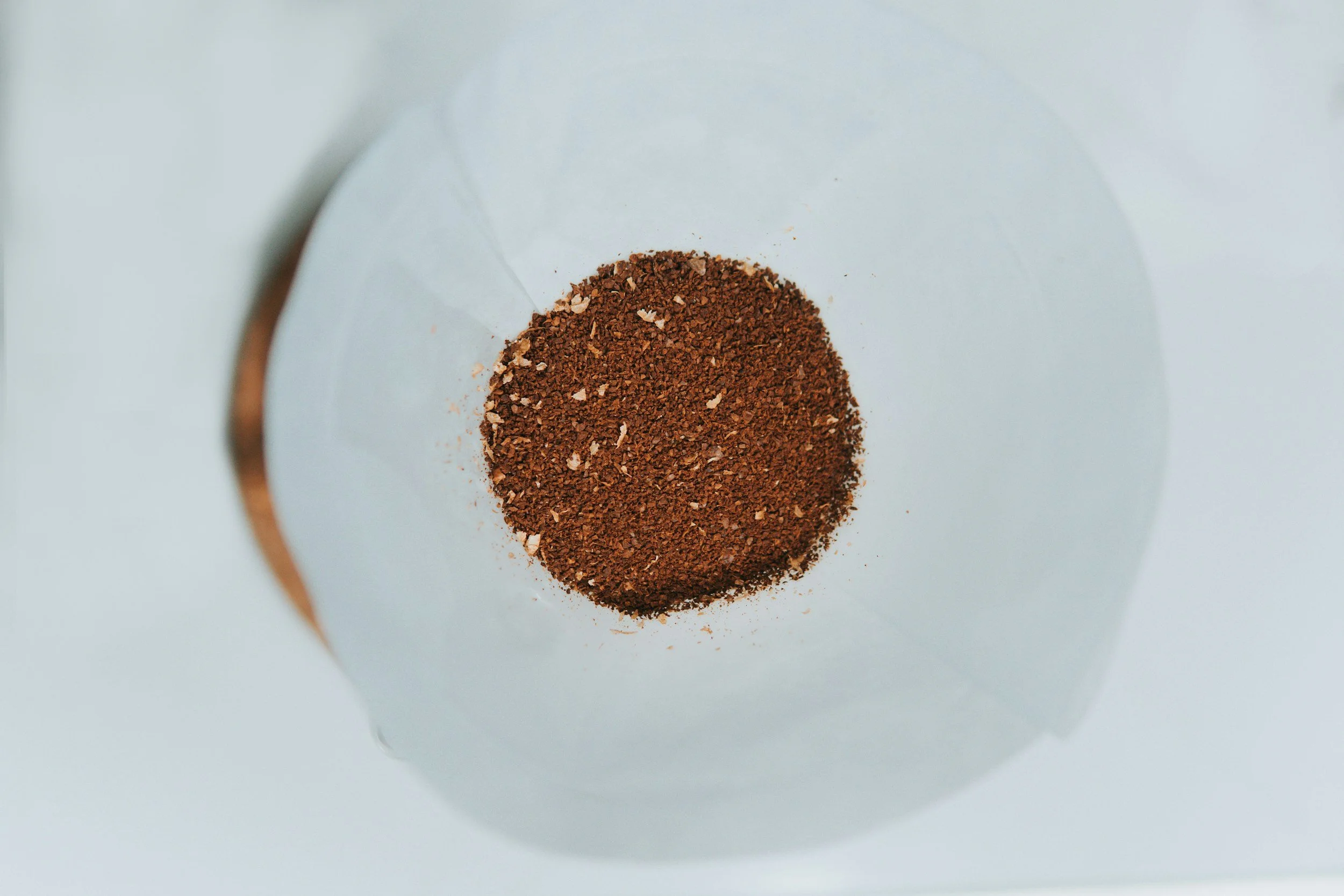
Coffee Grinds Evenly Distributed in a Pour Over Filter
Grind Size And Consistency
Grounds that are too fine can lead to over-extraction which can then lead to bitter flavors.
It's important to remember to match the grind size to the method (coarser for drip, finer for espresso).
Consider buying a burr grinder as they help with a consistent grind size, try to avoid buying blade grinders.
Brew Time: Less Can Be More
The longer water has contact with the grounds, the more time it has to pull the bitter flavors. In order to combat this, you can shorten the brew time. Different methods have varied time benchmarks:
Drip - 5-10 minutes
Pour-over - 2-4 minutes
French Press - 4-5 minutes
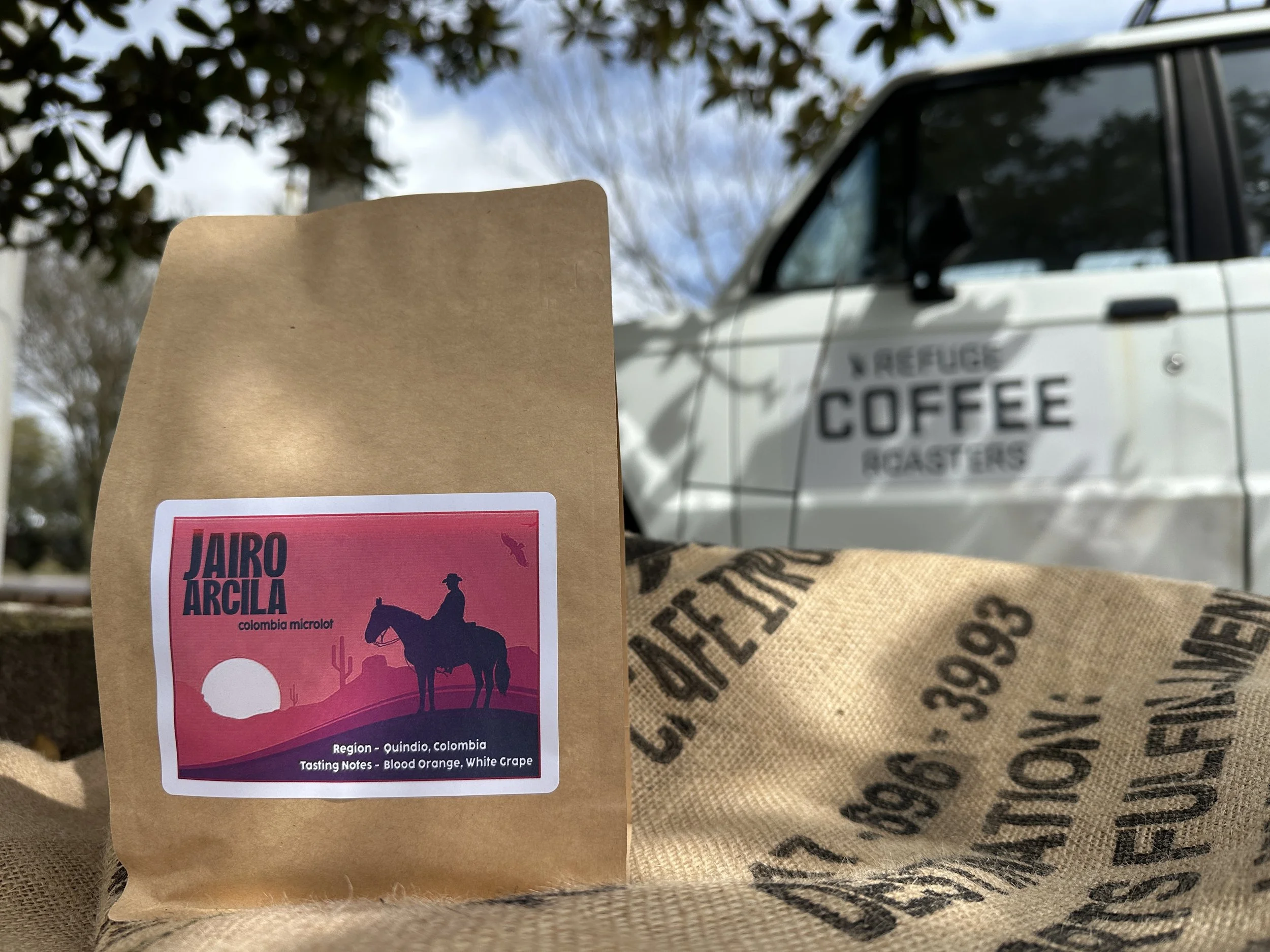
Refuge Coffee Roasters Full Coffee Selection
Fresh Roasted Coffee Starting at $19.00
Beans Matter: Roast, Freshness, and Quality
Sometimes the cause of bitterness can happen before you brew, during the roast.
Dark roast beans contain more inherent bitterness, and stale beans lose their sweetness while heightening bitterness. The bean type matters as well.
Arabica beans tend to taste smoother than Robusta beans. It’s best to start with well-developed, fresh beans.
Easy Fixes For Bitter Coffee You Can Try Today
Adjust grind coarser one notch
Let boiled water rest 30-45 seconds
Use fresh beans (check roast date)
Check your ratio (start around 1:16)
Clean your equipment
Why Good Beans Still Win
You can fix technique and brew perfectly, but if your beans are low-quality, stale, or roasted too dark with little nuance, bitterness will still dominate. Start with well-developed, fresh beans as this lays the foundation for any brewing method to shine. Quality beans contain balanced sweetness, complexity, and natural flavor, which gives drip coffee its best presentation.
Balance Over Intensity
Key takeaways:
Bitterness comes from imbalance and coffee quality, not strength.
Focus on the four levers: bean quality, roast freshness, grind, water temp, brew time
Brewing is a system, not a single variable, only change one thing at a time.
Want coffee that isn’t bitter? Start with fresh, quality beans roasted for flavor, then master these brewing variables.